PAS 2035 · Fabric-first

Retrofit, done in the right order.

A one-off product rarely fixes a cold, expensive home. We assess the whole house, plan the upgrades in the order that actually works, and manage the installs from start to finish.

≤ £1,700
saved by a full retrofit
A–G
any EPC band
1
accountable team

Indicative for an older home — your survey confirms the figures.

How it works

Survey, plan, install — one accountable team.

01

Retrofit survey

A PAS 2035 whole-house assessment: fabric, heating, ventilation, moisture risk and occupancy. We measure, we don’t guess — and we’re independent of any one product.

  • Heat-loss & fabric survey
  • Ventilation & damp risk
  • EPC / RdSAP assessment
02

Medium-term plan

A prioritised, costed plan in the correct fabric-first order, phased to your budget, with the grants you qualify for and the savings you can expect at each step.

  • Fabric-first sequencing
  • Costs & expected savings
  • Grant eligibility check
03

Managed installs

We coordinate accredited, insured installers, oversee the work against the plan, and sign it off — so the measures perform as designed and any funding stays valid.

  • Vetted installers
  • On-site oversight
  • Sign-off & handover
The measures

Every part of the home, explained.

These are the upgrades a survey draws from. Which ones suit your home — and in what order — is exactly what the assessment tells you.

1

Loft & roof insulation

~25% of heat

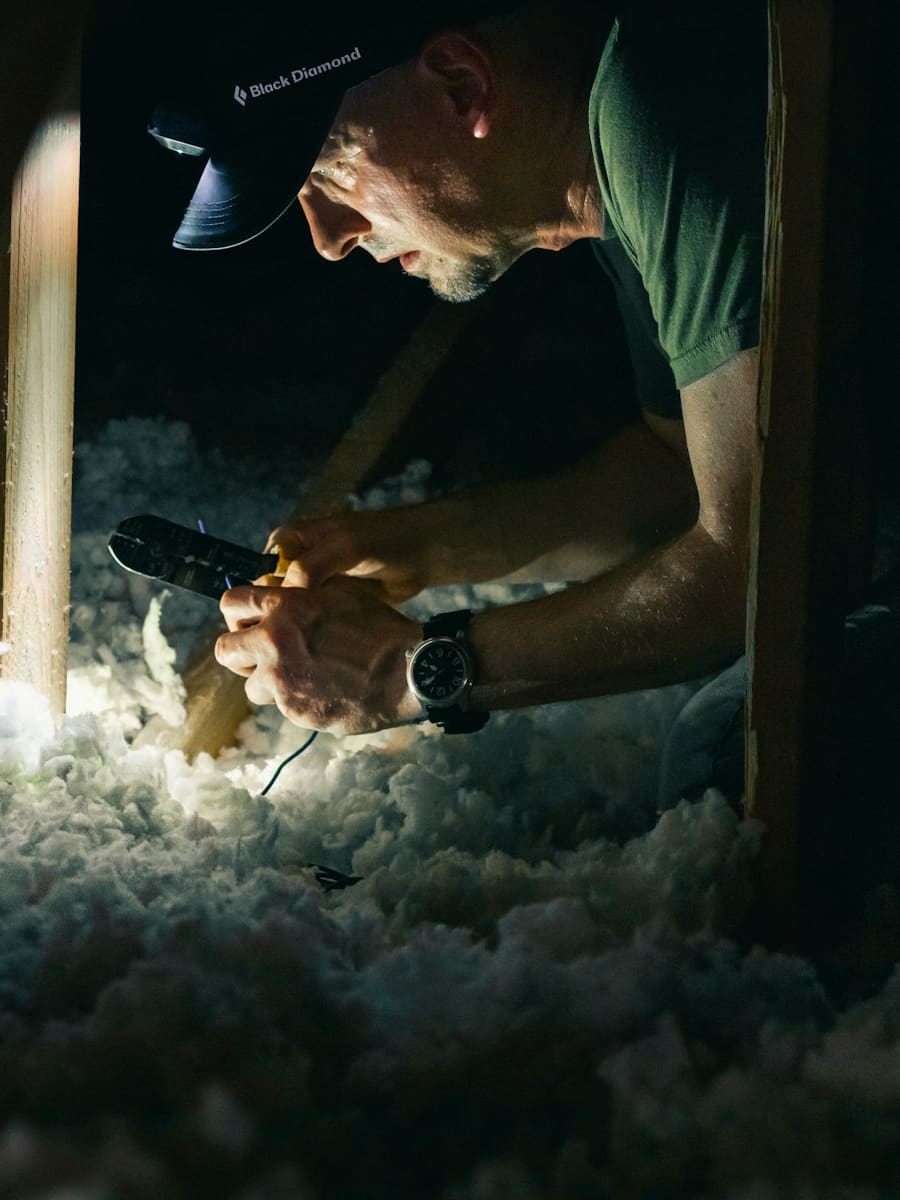
Top up to 270mm of mineral wool at ceiling level, or insulate at the rafters for a warm loft or room-in-roof. Warm air rises, so an uninsulated roof is where you lose it fastest.

£400 – £1,500 £355/yr +4 to +8 pts
2

Wall insulation

~35% of heat

Cavity walls are filled with mineral-wool or bonded bead. Solid walls are insulated internally (IWI) or externally (EWI) with a new render finish. The survey confirms which wall type you have.

£1,000 – £15,000 £330/yr +5 to +15 pts

ECO4 / GBIS grants may apply

3

Underfloor insulation

~10% of heat

Insulation is fitted beneath suspended timber floors, or laid over a solid floor during renovation. Often combined with sealing the perimeter gap where floor meets skirting.

£1,200 – £5,000 £110/yr +2 to +4 pts
4

Windows, doors & draughts

~20% of heat

A-rated double or triple glazing and insulated doors, plus draught-proofing to gaps, letterboxes and floorboards. Secondary glazing is used where windows are protected or listed.

£300 – £12,000 £175/yr +3 to +8 pts
5

Heat pump & controls

Heat source

Replace a gas or oil boiler with an air-source heat pump — sized to the improved fabric, with correctly-sized radiators and smart controls. Most efficient once insulation is in place.

£7,000 – £13,000 £250/yr + up to 10 pts

£7,500 Boiler Upgrade Scheme grant

6

Ventilation & airtightness

~15% of heat

Seal uncontrolled draughts, then add controlled ventilation — trickle vents, humidity-sensing extract fans, or whole-house MVHR. Essential whenever a home is made more airtight (PAS 2035).

£500 – £6,000 £90/yr
7

Solar PV & battery

Generation

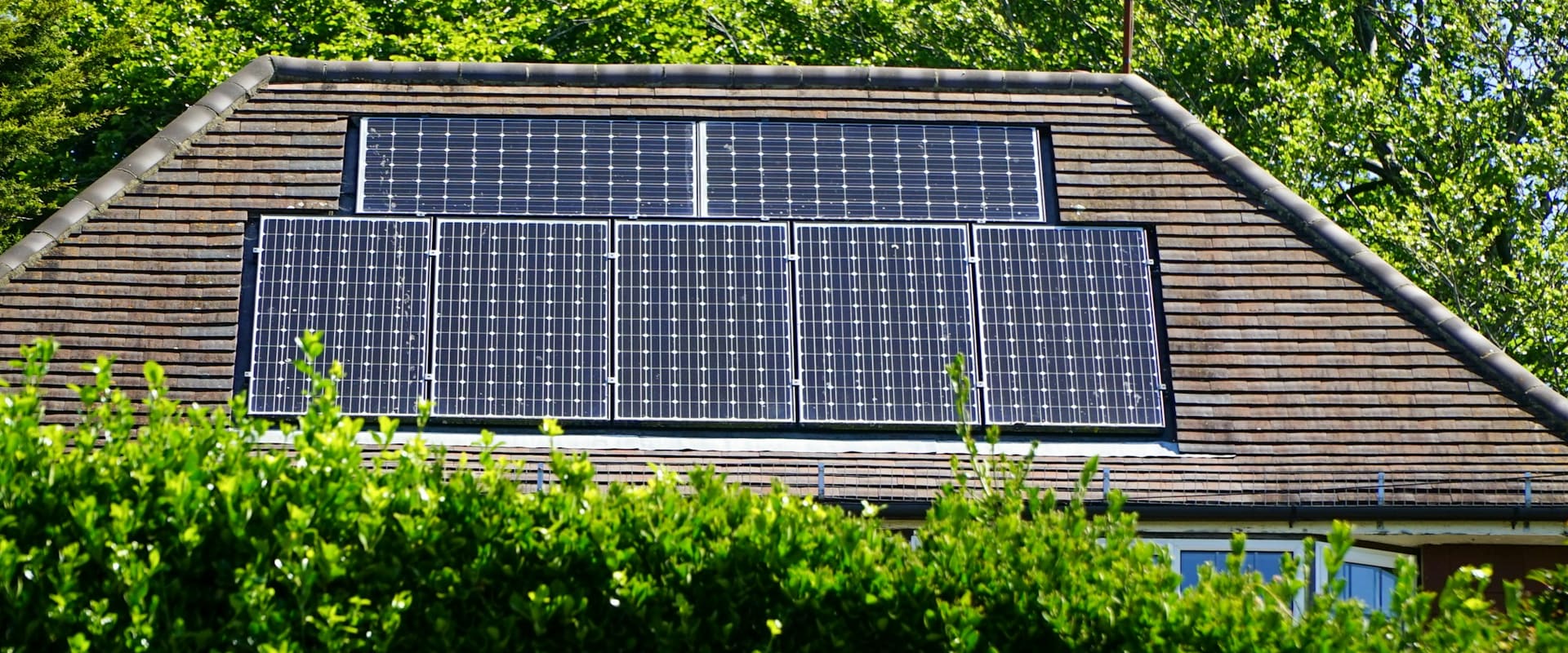
Roof-mounted solar panels with an optional battery to generate and store low-carbon electricity — a natural pairing with a heat pump to cut running costs further.

£5,000 – £11,000 £400/yr + up to 12 pts

0% VAT until 2027

Indicative figures for a typical older home — confirmed by your survey.

Why order matters

Fabric first, then systems.

Insulate and seal the building fabric before you size the heating. Do it the other way round and you pay for a bigger heat pump than you need — and it never runs at its best.

Read about PAS 2035
  1. 1

    Insulate the fabric

    Loft, walls, floor — cut the heat loss first.

  2. 2

    Sort ventilation

    Controlled fresh air so a tighter home stays healthy.

  3. 3

    Upgrade the heat source

    Size a heat pump to the improved, lower demand.

  4. 4

    Add generation

    Solar and battery to cut running costs further.

Start with a survey

Get a plan built for your home.

One survey gives you the whole picture — the measures, the order, the grants and the savings. Then we manage the installs.